
10/16/2024
Fantasmagoría 2024 - Review of "1978" by Nicolás and Luciano Onetti
Political and Satanic Horror
A few days ago, the Argentine film 1978 had its world premiere at the Sitges Film Festival and is now available in Argentina as part of the Fantasmagoría Festival, which runs until October 20.
Directed by the Onetti brothers, Nicolás and Luciano, 1978 is a blend of political and satanic horror.
On June 25, 1978, at the River Plate Monumental Stadium in Buenos Aires, the World Cup final took place between Argentina and the Netherlands. This historic event, which saw Argentina win its first World Cup on home soil, occurred amidst the brutal military dictatorship, which was using this international event as propaganda to project an image that contrasted with the harsh reality of widespread human rights violations.
Although Argentina won 3-1 against the Netherlands, accusations surfaced regarding delays in the match's start, extended routes to the stadium, and even intimidation of Dutch players. The weather didn’t help either, as it was pouring rain. Less than a kilometer from the stadium was one of the infamous detention centers, the ESMA.
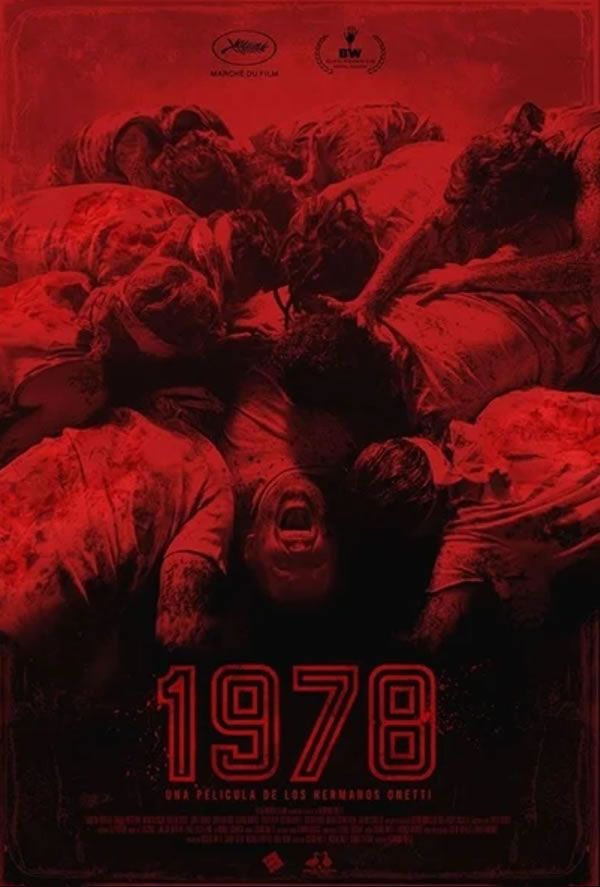
Set during this time, the film follows a group of torturers who violently break into a house and abduct a group of young people. In one of these clandestine detention centers, as the captors watch the national team's triumph on a small television and play poker, they inflict ruthless torture on their captives. The torment only ceases when they receive a call informing them that they have the wrong people and that the actual targets are elsewhere. But by this point, it’s too late for the agents of the dictatorship, as some of their captives belong to a satanic cult led by a supernatural force that will exact revenge.
1978 feels like two films in one. The first 40 minutes focus on political horror, linked to the atrocities of the dictatorship and its violent interrogation methods, where mockery, scorn, false hope, sadism, and cynicism were used to psychologically break the captives. These detainees were stripped of their clothes, gagged, beaten, and subjected to electric shocks, regardless of age or gender. This part leans more toward drama and, due to the victims’ limited chances of escape and the brutal reality of these detention centers, is distressing and harrowing to watch. It effectively generates discomfort, fear, and genuine horror.
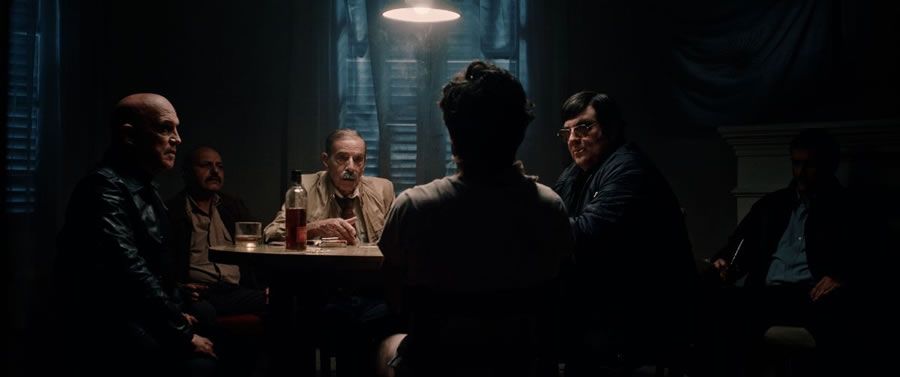
From the moment it’s revealed that the wrong people were captured, the tone and story shift radically and abruptly from the initial premise, transitioning into a much more conventional supernatural horror filled with occultism, demonic presence, and even the emergence of the Antichrist.
In this vengeful onslaught, the film delves into practices reminiscent of vampirism and cannibalism, with clear references to horror classics like The Omen and Rosemary's Baby.
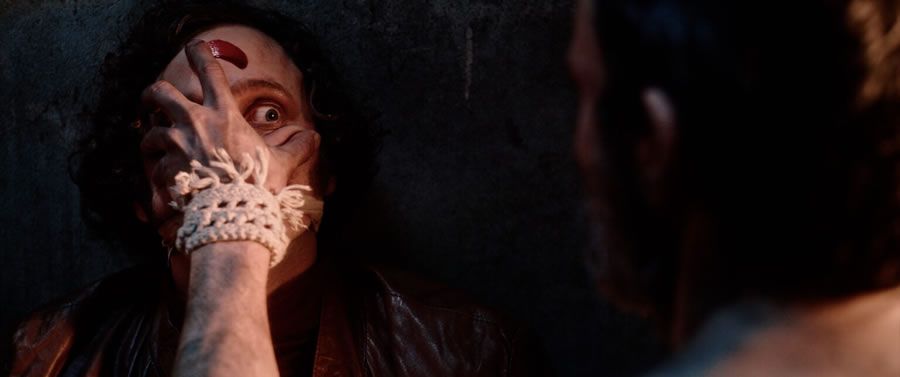
Once the film crosses the boundary from reality into the supernatural, the Onetti brothers unleash their full imagination to transform this inhumane torture center into a literal hell. However, I prefer the first part of the film. Overall, the aesthetic quality, visual effects, cinematography, setting, and makeup are well-executed.
Film Details
Directors: Luciano Onetti, Nicolás Onetti
Writers: Luciano Onetti, Nicolás Onetti, Camilo Zaffora
Genre: Horror
Producers: Sayf Aram, Carlos Giotia, Michael Kraetzer, Nicolás Onetti
Cast: Agustín Pardella, Carlos Portaluppi, Mario Alarcón, Agustin Olces, Jorge Lorenzo, Santiago Ríos, Gustavo Bonfigli, Paula Silva, Gustavo Pardi, María Eugenia Rigon, Nicoás Pérez, Hernán Cáceres, Gastón Frías
Cinematography: Kasty Castillo, Luciano Montes de Oca
Editing: Luciano Onetti, Nicolás Onetti, Ludovico Opipari
Music: Luciano Onetti
Country: Argentina
Year: 2024
<< Go to Spanish version