
04/30/2025
Gente de Bien – 5 Essential Lessons in Film Production by Capucine Mahé
By Sandra M. Ríos U
X: @sandritamrios
5 Essential Lessons in Film Production by Capucine Mahé | The Evidencia Films producer shares five lessons learned during the filming of Gente de Bien: the importance of organic casting, invisible costume design, meticulous continuity, respect for actors, and editing as the third stage of cinematic writing.
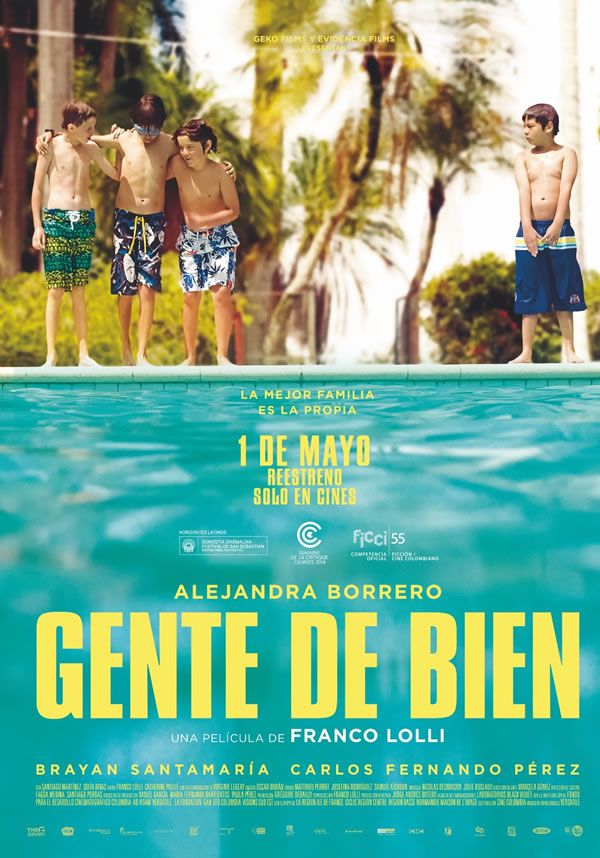
The closing of Colombian Cinema Month will feature the re-release of Gente de Bien, ten years after the debut of director Franco Lolli’s first feature, an intimate portrait of social inequality in Colombia. It was the first filming experience for many on the team and ended up shaping their path in the audiovisual industry.
One of those people is Capucine Mahé, producer at Evidencia Films and Lolli’s partner, who arrived in Colombia for this film and stayed. Ten years after its release and several projects produced for Lolli and other directors, CineVista invited her to share the five lessons she learned from the shoot that defined her career as a film producer.
By Capucine Mahé
Gente de Bien will always hold a special place in my heart because it’s the reason I came to Colombia. I met Franco in 2012. He had just won FDC funding for his debut feature, a huge and crucial step for him. We met in France, and a few months later, he told me he had to travel to Colombia to shoot his first film.
I had always been connected to cinema. At 15, I acted in a film that premiered at Cannes with Isabelle Huppert, Saint-Cyr by Patricia Mazuy, and later in other French films because I loved being on set. I loved watching everyone work. When I professionalized, I worked at an artistic agency and as a lawyer, always tied to the film industry.

When Franco told me about returning to his country, I knew I had to be part of that shoot. I imagined participating in a role or being useful in some way, so I left my job as a lawyer in Paris, and we went to Colombia. I had about three to four months to learn Spanish, and Franco tasked me with being the costume designer. From there, I stayed in Colombia and began working at Evidencia Films as a producer.
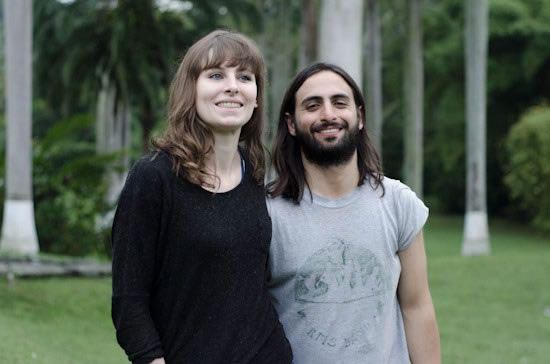
Gente de Bien wasn’t my first time on a film set, but it was my first time not acting, taking on a role that contributes to the creation of the film. From that experience, I gained five lessons that I truly learned the hard way, but for the better, as they’ve guided everything I’ve done at Evidencia Films for the past ten years.
Lesson 1 – Casting: Discovering the Organic Magic of Finding the Perfect Actor
The greatest lesson came from the casting process, which was incredible and extensive because Franco takes extreme care in finding actors who can bring his characters to life, making them more vivid and interesting. This means searching for people who connect with the role and the character’s journey, going to places where you can find individuals with similar profiles.
Franco doesn’t want actors to adapt to the role he’s written or imagined; he wants to find the person who can best embody and bring to the screen what he wants to tell. For example, the process with the children was exhaustive—we saw thousands of kids. We still vividly remember the day we found Brayan (the protagonist) on the street. It was after a long workday, walking along the pedestrian Seventh Avenue, when we saw a boy selling books, magazines, and vinyls with his dad. We stopped to talk, and he immediately put on a show. We all laughed because we saw Brayan’s magic—he was sharp, intelligent, charismatic, and tender.
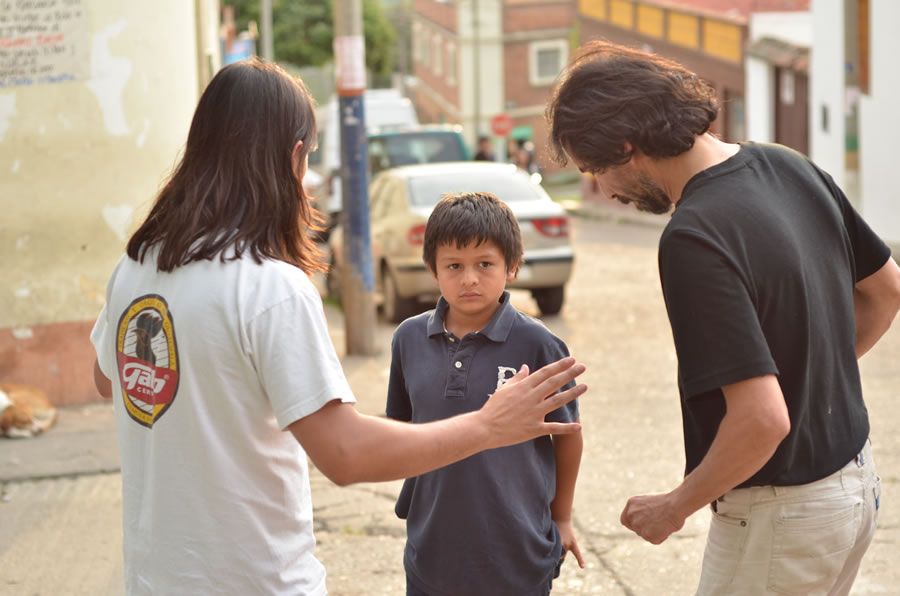
For Carlos (the father), it was hard for Franco to choose this character. You could see the resistance a director can have, sometimes not recognizing what’s right in front of them. In the end, he was the one, and no one could have done it better. Fortunately, the right decision was made. With Alejandra Borrero, it was about getting her to embrace a different process, a new way of filming and acting, but once convinced, she gave herself completely.
Our casting method was long and organic, and the young people who witnessed it have continued applying it in their projects because they saw the magic and relevance it could produce.
Lesson 2 – The Invisible Art of Costume Design: Creating Authenticity Through Subtlety
The first thing to understand as a costume designer is that it’s arduous, tough work that ends up being invisible. When you work, you want to be seen and even praised for the result, but in this field, it’s not quite like that. Costume design has to be invisible. The costume designer’s skill lies in choosing well and crafting those looks.
Due to budget constraints, organic needs, and to stay true to the characters’ life trajectories, we used the actors’ own clothes. I selected pieces from their wardrobes that fit the nuances of their characters and a lived-in life. For Alejandra, we sourced some additional items, but we mostly used her own clothes.
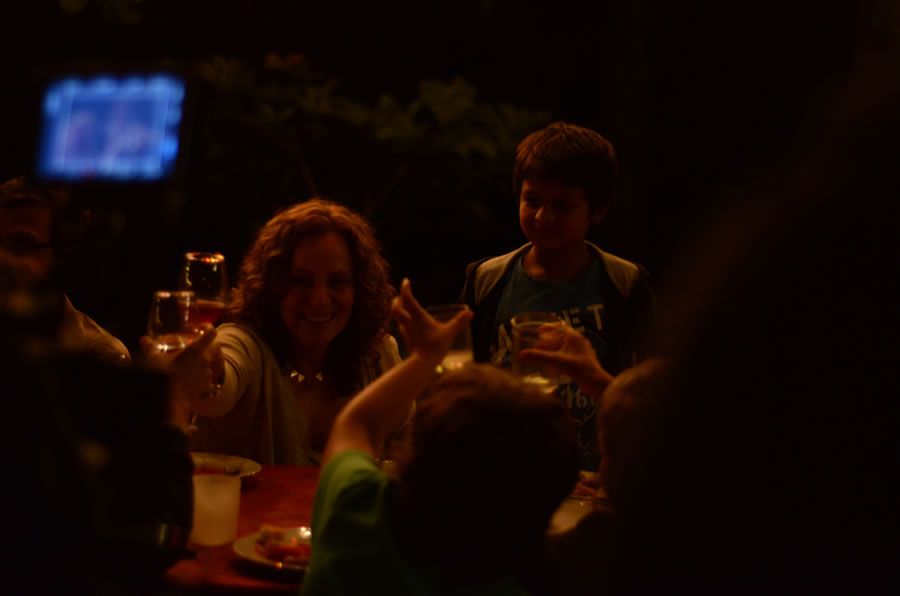
A tip I’d like to share, which I’ve continued applying, is that everything should feel invisible, even the color palette. It should all be organic, with details there for those who notice, but not as an arbitrary decision by someone else in the process.
Lesson 3 – Continuity: The Art of Invisible Details That Sustain the Narrative
Another lesson I learned the hard way was continuity. As it was my first time on a shoot, handling costumes and actors’ continuity, I learned through some scares that over seven weeks, hair grows, beards grow, mustaches grow, and you need to make millimeter adjustments to keep things consistent with the film.
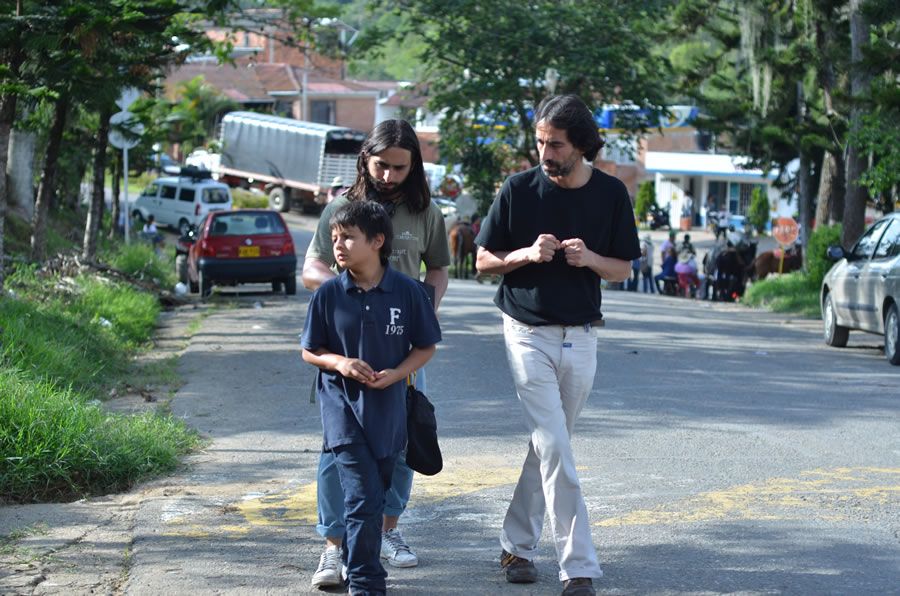
This is magnified with children, whose hair grows quickly, so you have to be very careful. Continuity brought stressful moments because you feel that cutting too much hair could cause problems. A seemingly insignificant detail is significant for a film. Fortunately, we found an amazing hairstylist, Oscar Manosalva, who’s always willing to cut a literal millimeter of hair or beard and maintain colors throughout a shoot. We’ve worked with him on Litigante and The Other Son, and he’s become a trusted collaborator because he embraces this invisible yet incredible work.
Lesson 4 – Directing Actors: Building Authenticity Through Dialogue and Commitment
When something is done well and with total commitment, it allows actors to give their best. We learned to respect and treat both the actor and their character with dignity. Franco doesn’t give actors the script; instead, he talks extensively with them about what’s at stake in the scenes, what needs to happen, what should or shouldn’t be said. Through this close dialogue and rehearsals, the scene is built, ultimately aligning with the script but through the actors’ own paths.
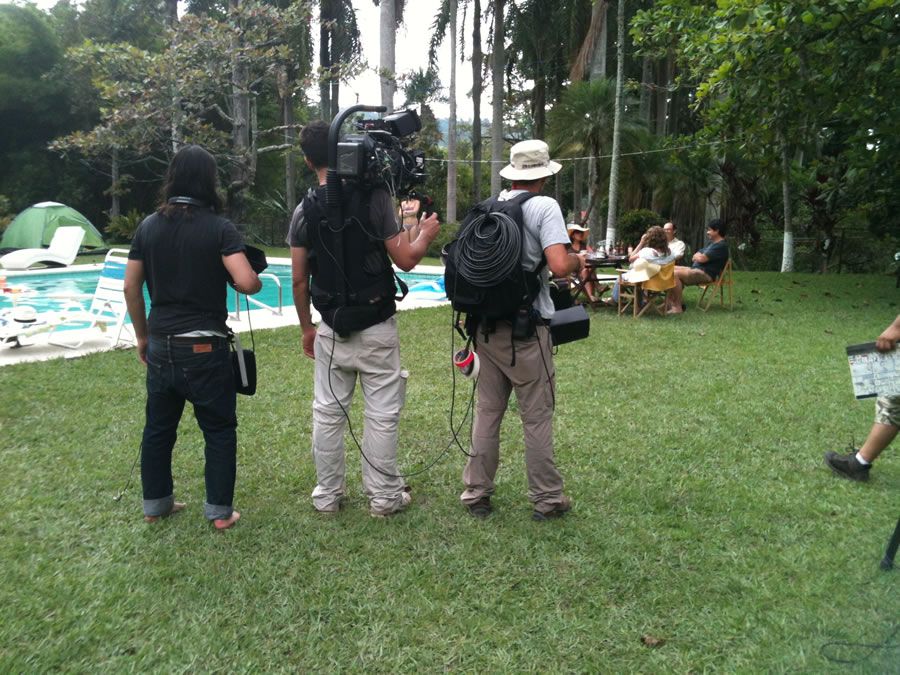
This is beautiful because actors either naturally arrive at what was in the script or elevate it to something better. This is crucial to Franco, as it’s part of the essence of his films and why we connect so deeply with the characters—their performances feel like real life.
Lesson 5 – Editing: The Third Writing That Shapes the Story
From Gente de Bien, I clearly learned that editing is like the third writing, a lesson I’ve carried into all my projects. First comes the script, second the shoot, and third the edit. In Gente de Bien, there were scenes in the script that the French producer didn’t want, but Franco insisted on keeping. They were shot, but in editing, we saw they were unnecessary, like part of another film, and they were cut. These were scenes in schools with nearly 200 children. Despite the energy, time, and attachment, we had to mourn and let them go. Just because the footage exists doesn’t mean it belongs in the film. If it’s superfluous, you have to accept it and remove it.
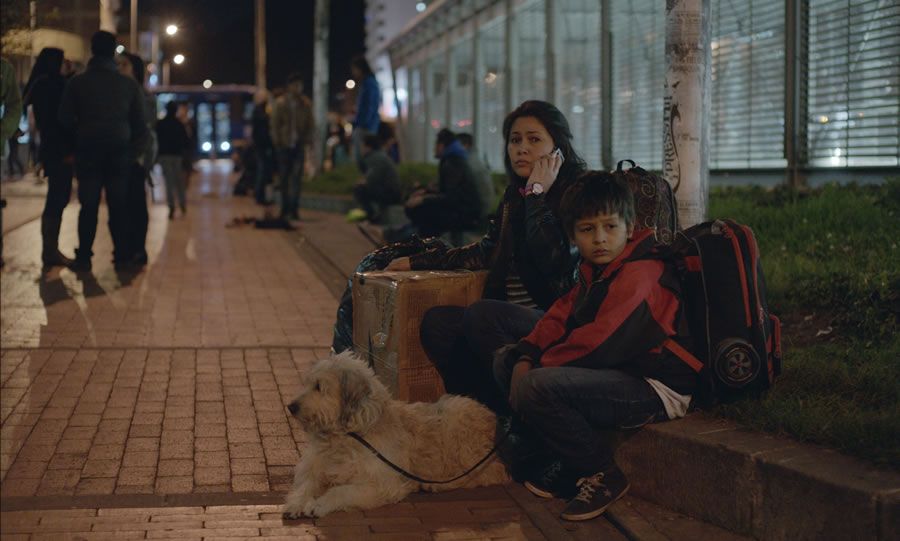
Sometimes, scenes are redundant from the writing stage and can derail a film, so it’s better to cut them before shooting to avoid wasting time and money. Having lived this, I’ve learned to spot these in other projects.
Final Notes: A Collective Debut That Paved the Way for Intimate, Committed Cinema
For me, Gente de Bien was a first, but it was also a first for many on the team, especially the casting group. Other crew members were more experienced and older, but I feel we’ve all grown in the industry and continued working together at Evidencia Films.
It was the first film for many, and we made it with the firm belief that we were doing something important. What’s beautiful is that it shows in the film and in the fact that, ten years later, it can be re-released and remain relevant, not having aged. It still resonates with Colombia, its society, and themes of class, how to connect in this country, and how to extend a hand to others.
The film set us on a path to defend this kind of committed, intimate auteur cinema reaching theaters. It’s what we continue striving for with The Other Son by Juan Sebastián Quebrada, the shorts we’ve produced, and the upcoming debut features by Duván Duque and Mariana Zafón.
Gente de Bien returns to theaters starting May 1.
Image credits: Evidencia Films
<< Go to Spanish version