
10/28/2024
Review of Del otro lado del jardín - Euthanasia and Dignity
Excerpt: Review of “Del otro lado del jardín”, an exclusive release on the Max platform, adapted from a Colombian novel based on the true story of its author, dealing with euthanasia.
Nothing Above Dignity
The mother figure is often seen as an institution—a pillar of family and, by extension, society. This is why literature and cinema traditionally idealize or even idolize her. But what happens when the child breaks the myth of the self-sacrificing mother/woman?
“Del otro lado del jardín” addresses not only this myth but also themes of assisted death and the right to make choices about one's body in a society that, as the book’s author puts it, “pushes those who no longer want to live into grotesque suicides.”
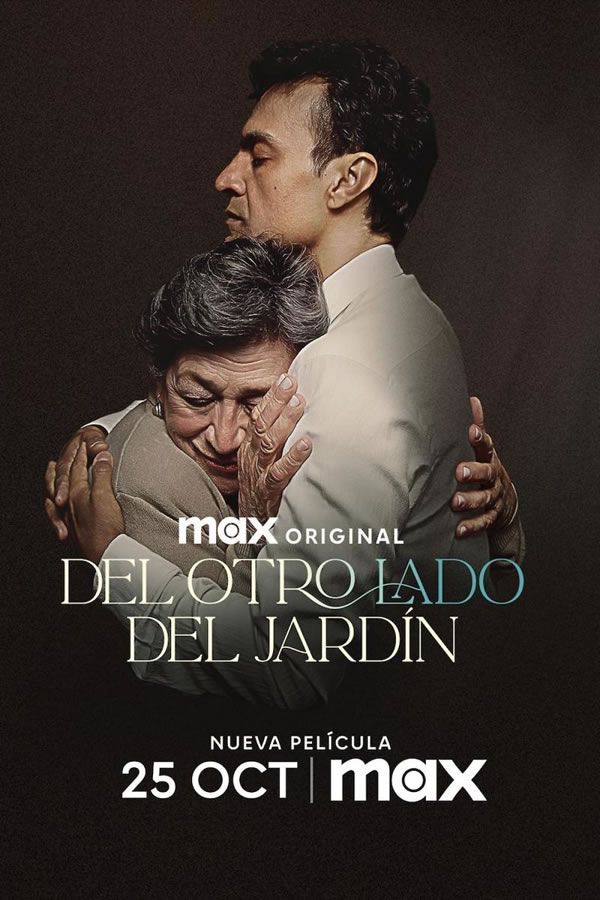
The story of this adaptation begins with an ordeal: poet, writer, and literature professor Carlos Framb awakens in a hospital, surrounded by police, after several days of unconsciousness. He learns that his suicide attempt has failed and that he’s accused of “murdering” his mother, an act for which he could face up to 30 years in prison. The film follows Framb’s real-life legal battle surrounding his mother Luzmila’s death as he fights for justice from a prison in Antioquia, striving to clarify events and avoid a homicide conviction.
His 82-year-old mother battled illness for five years, suffering from arthritis that gradually consumed her, bringing additional pain. She asked her son for help to end her life, even though she was deeply Catholic. Framb, who took care of her, witnessed her growing dependence on him. In a final act of love, he sought the gentlest way to fulfill her last request to end her suffering.
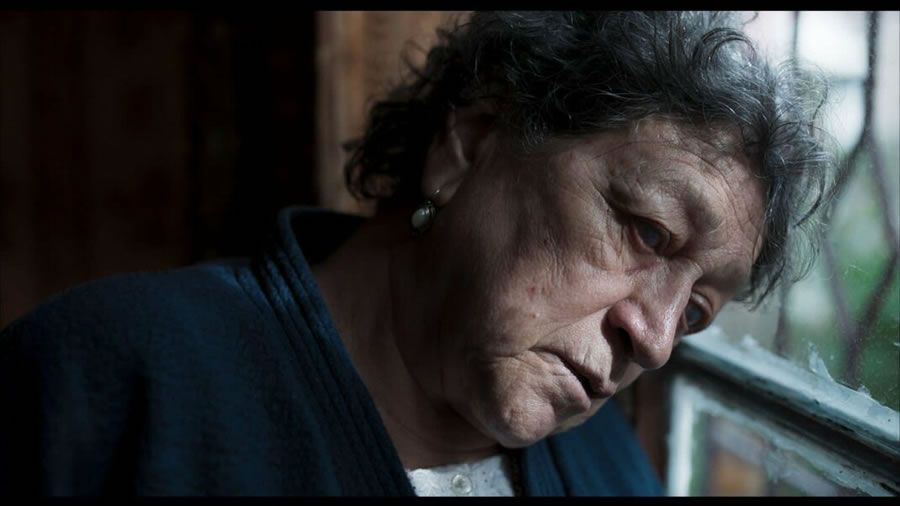
On October 20, 2007, ten years after Colombia’s Constitutional Court issued the historic C-239/97 ruling partially decriminalizing euthanasia, Framb’s mother died. The ruling had recognized the right to die with dignity, setting conditions such as free patient consent, terminal illness, intense suffering, a clear and definitive diagnosis, and the requirement that it be carried out by a physician. Framb’s case didn’t fit neatly within the State’s regulations, but it touched upon other legal principles such as the right to a dignified death, the distinction between euthanasia and suicide, and the assertion of personal autonomy.
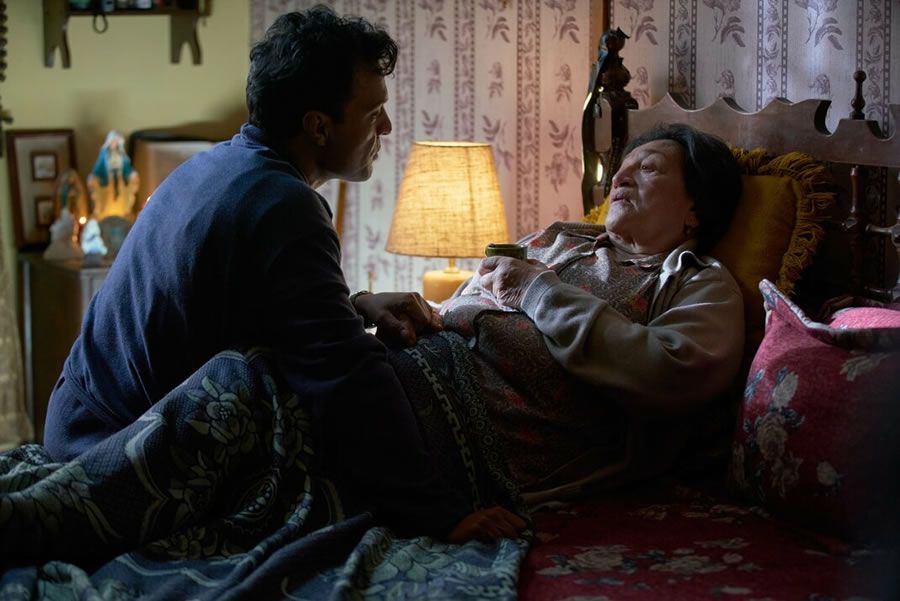
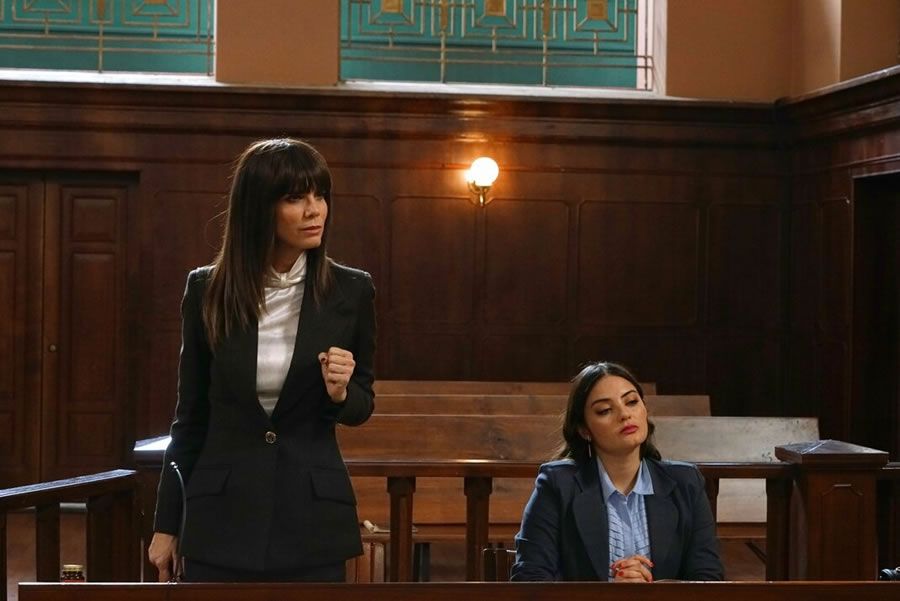
“Del otro lado del jardín” is told across two timelines: Framb’s present as he awaits trial from a hostile prison and flashbacks that reveal his mother’s condition, their daily life, and insights into his personal history. The narrative also follows the prosecutor (played by Juana Acosta) tasked with sustaining the severe charge against him, bringing her own battles related to the protection of life and her career. This role, fictionalized, must substantiate the accusation with convincing evidence.
A strong cast brings the story to life, led by Vicky Hernández and Julián Román, who deliver the emotional depth of a mother and son saying goodbye without explicitly addressing suicide. Luis Fernando Hoyos shines as the defense attorney, with notable support from Christian Tappan in the role of a gay artist friend, and actors like Yuri Vargas, Ernesto Benjumea, Juan Sebastián Calero, David Noreña, and Marcela Mar.
The nature of these real events, the importance of their message, the need to address these topics and normalize them, to spark conversation, to demystify, to stop passing judgment and remove religious connotations, along with generally strong performances, stand out in this film directed by Daniel Posada. However, the film includes certain trivial elements, gratuitous scenes that add little to the plot, and some rough editing cuts that give it a television-like quality. Its staging, filters, color palette, and production design confirm that it’s a film made for streaming platforms.
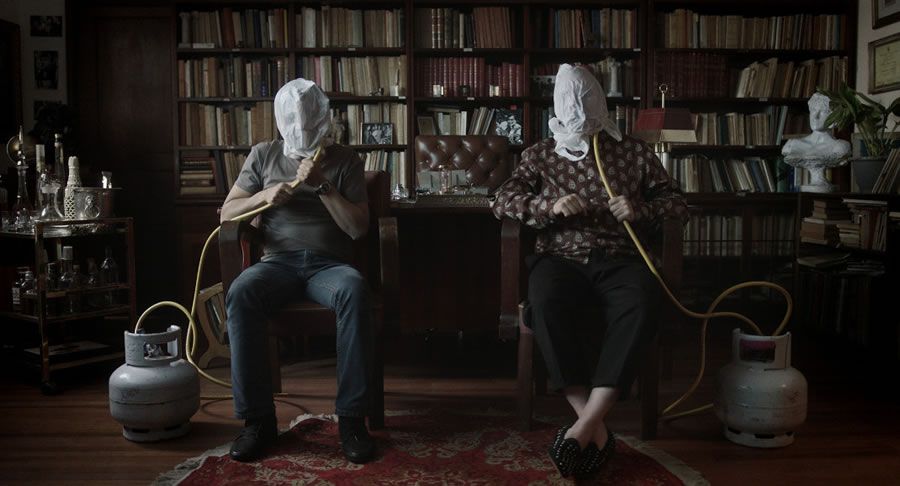
What “Del otro lado del jardín” does well is capturing the dichotomy between life and death, tragedy and grace, and between implicit imprisonment and freedom. It navigates between two tragedies (illness and imprisonment), ultimately underscoring that death should not be tragic, but dignified—a conversation kept relevant by the proposed 2024 Law 014, aiming to ensure access to dignified death through euthanasia, filling legal gaps and addressing bureaucratic hurdles. This is a complex topic that continues to spark debate among legislators and society, and which cinema helps keep in public discourse.
Technical Details
Director: Daniel Posada
Screenplay: Ignacio del Moral, Daniel Posada
Duration: 72 minutes
Producers: Valentina Acosta, Oriol Uria, Peter Bevan, Mariana Sanjurjo, Tomás Yenkelevich
Genre: Drama
Cast: Julián Román, Vicky Hernández, Juana Acosta, Luis Fernando Hoyos, Yuri Vargas, Nelson Camayo, Juan Sebastián Calero, Ernesto Benjumea, David Noreña
Music: Toni M. Mir
Editing: Marta Antón, Joan Janer, Marc Molina
Country: Colombia
Year: 2024
<< Go to Spanish version