
10/23/2024
With "My Beast," the FICCALI 2024 was launched
"My Beast" is the debut film of director Camila Beltrán. It first premiered at Cannes in the parallel section of ACID (Association for Independent Cinema and its Distribution), which aims to provide visibility to author and experimental films with innovative proposals from emerging filmmakers. Recently, it was part of the Sitges Festival, a global reference for fantastic and horror cinema, where it won the “Blood Window” award for best Latin American film.
Before its arrival in Colombian theaters on October 24, "My Beast" launched the International Film Festival of Cali, which is celebrating its 16th edition this year and will take place from November 12 to 17.
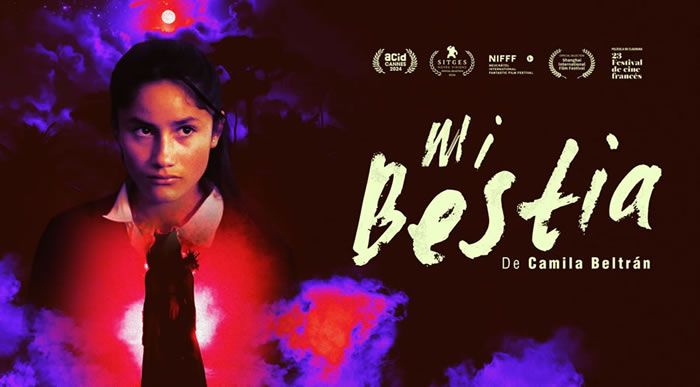
About the film
"My Beast" is set during two particular moments in the country: the tumultuous late 1990s and a collective hysteria over the supposed arrival of the Antichrist. Colombia was experiencing a crisis of legitimacy under President Ernesto Samper, who faced the 8,000 Process, while the FARC escalated attacks (such as the takeover of the Las Delicias military base), and illicit crops, kidnappings, and extortions increased.
1996 was also a leap year, and there are many superstitious beliefs surrounding that additional day that occurs every four years, leading to thoughts that it is a time when crops and livestock are less productive, natural disasters increase, businesses do not prosper, witches hold more covens, or the devil has more freedom to roam this world. The date June 6, 1996 (6-6-6) reignited the prophecy of the Antichrist’s arrival, resulting in a surge of baptisms that were reported by the media.
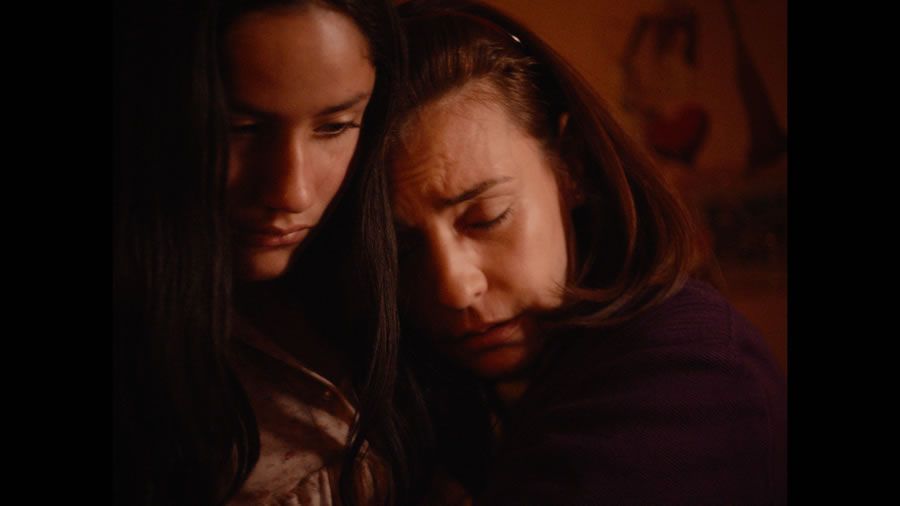
In the world of this film, a lunar eclipse approaches, and society oscillates between these two fears. Mila, the protagonist, is a 13-year-old girl living with her mother Eva, who works as a nurse and makes extra efforts to support their home and improve their living conditions. This is a time of transformation for her, a strange and overwhelming transition from girlhood to womanhood.
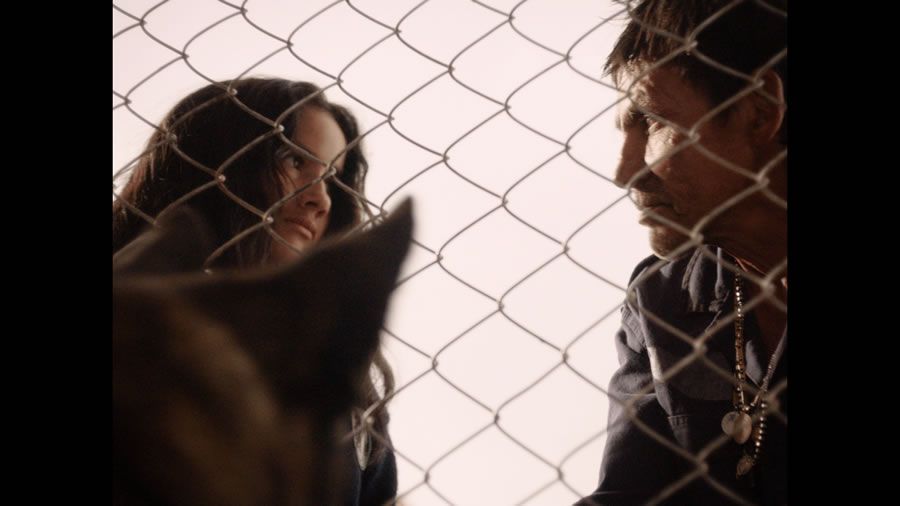
To escape the demands of atmospheric cinema and focus the story on the pre-adolescent experience, providing a sense of intimacy, claustrophobia, and suffocation, Camila Beltrán opts for a classic almost square format (1:33), saturated colors, and deliberate distortion of image and sound to depict the external world that Mila processes alone and that constantly observes her.
While her mother works, Mila faces the hostility of the street, a paranoid, pigeonholing, and distrustful society that, upon reaching a certain age, demands her to fulfill expectations that, although unknown, impose that sense of being an object of desire for men. Hence, the figure of a close man, her mother’s partner who cares for her, exists on a dangerous, blurred line between overprotection, toxic love, or harassment.
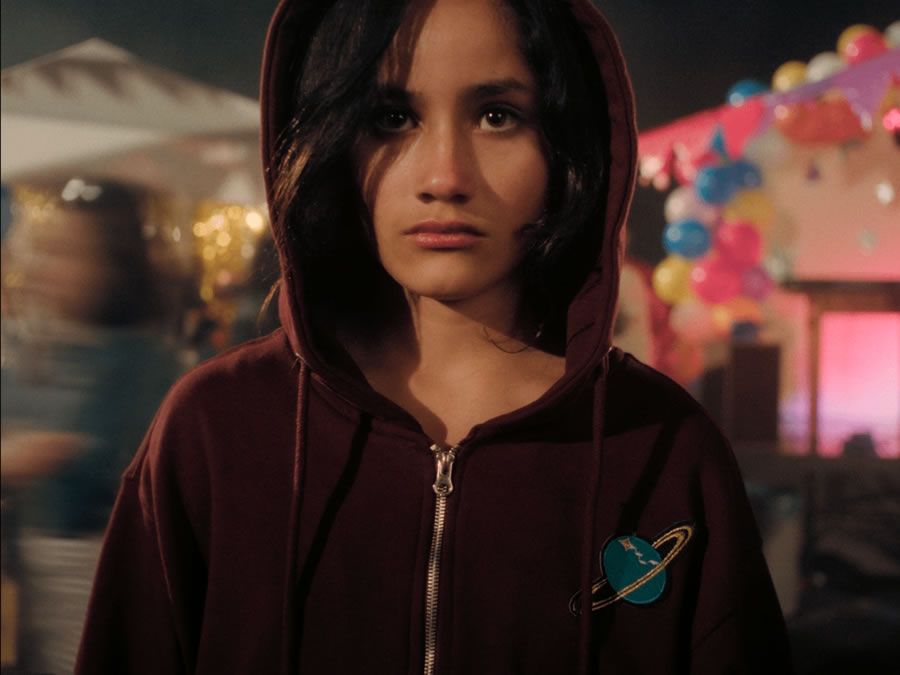
Society watches Mila, and Camila aims to evoke the revolution in her protagonist’s mind with all her decisions, portraying the strangeness with which she views a world so close yet alien to her nature, grappling with all those unspoken thoughts.
An attendee at the FICCALI launch remarked that the theme of the red moon and the prominent color red in the film represented all the alerts women mentally register. She is correct. "My Beast" partially addresses the fears that arise during puberty and all those fears that linger, instilled by a profoundly macho society, hence the commitment to the genre of fantasy and psychological horror in this debut film, which also contains an ambiguous symbolic component that leaves its interpretations open around an owl.
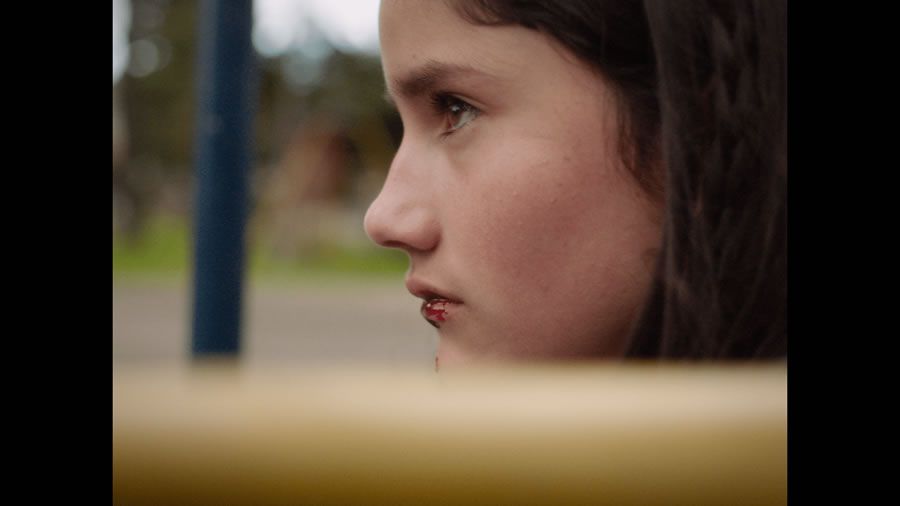
While the film speaks from the past, Mila’s final decision, her metamorphosis, resonates directly with today’s youth. Ultimately, "My Beast" is a feminine and liberating film about the acceptance of identity.
Camila Beltrán and her creative freedom
The director mentioned from Cali that while there was a written script—co-written with Silvina Schnicer—she allowed for a flexible creative process. “The entire film found itself. Each decision arose from seeking thematic coherence and within the experience we wanted to propose. So, let’s say that despite the script being very descriptive when written, there was freedom.”
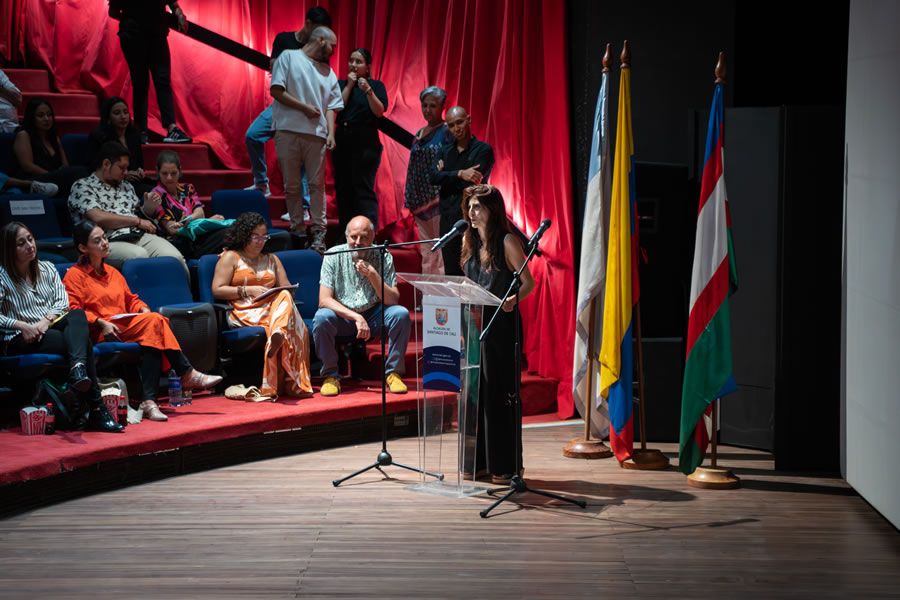
With "My Beast," the FICCALI 2024 was launched. Director Camila Beltrán presenting the film.
Beltrán also discussed how the genre serves as a metaphor for her protagonist’s experiences: “My Beast is a film that situates itself in the inner landscape of a teenager undergoing transformation. My intention was to evoke, through sensation, the experience of leaving childhood and confronting a reality that seeks to pigeonhole and limit. Here, the shocks of adolescence are also a metaphor for the struggle for emancipation in a society that often feels oppressive.”
FICCALI 2024 and the UNESCO Media Arts Circuit
This year’s official selection, which we will detail in a forthcoming publication, includes 124 films, both short and feature-length, distributed across 41 venues throughout the city, including cinemas, cultural centers, and film clubs.

Executive director Gerylee Polanco expressed that the festival continues with its competitive sections that award “the María Award and the Luis Ospina Award,” and that sections such as “Long Live Music” and “General Plan” will bring the best of world cinematography.
This year, the event joins Cali’s agenda as a “UNESCO Creative City of Media Arts,” launched last year, aimed at articulating initiatives that promote understanding of media arts in our context. “In our expanded cinema section, we will engage with our designation as a City of Media Arts and will be at the YAWA Center for Science, Art, and Technology, presenting a film program for dome cinema,” Polanco concluded.
<< Go to Spanish version